Physical Address
304 North Cardinal St.
Dorchester Center, MA 02124
Physical Address
304 North Cardinal St.
Dorchester Center, MA 02124
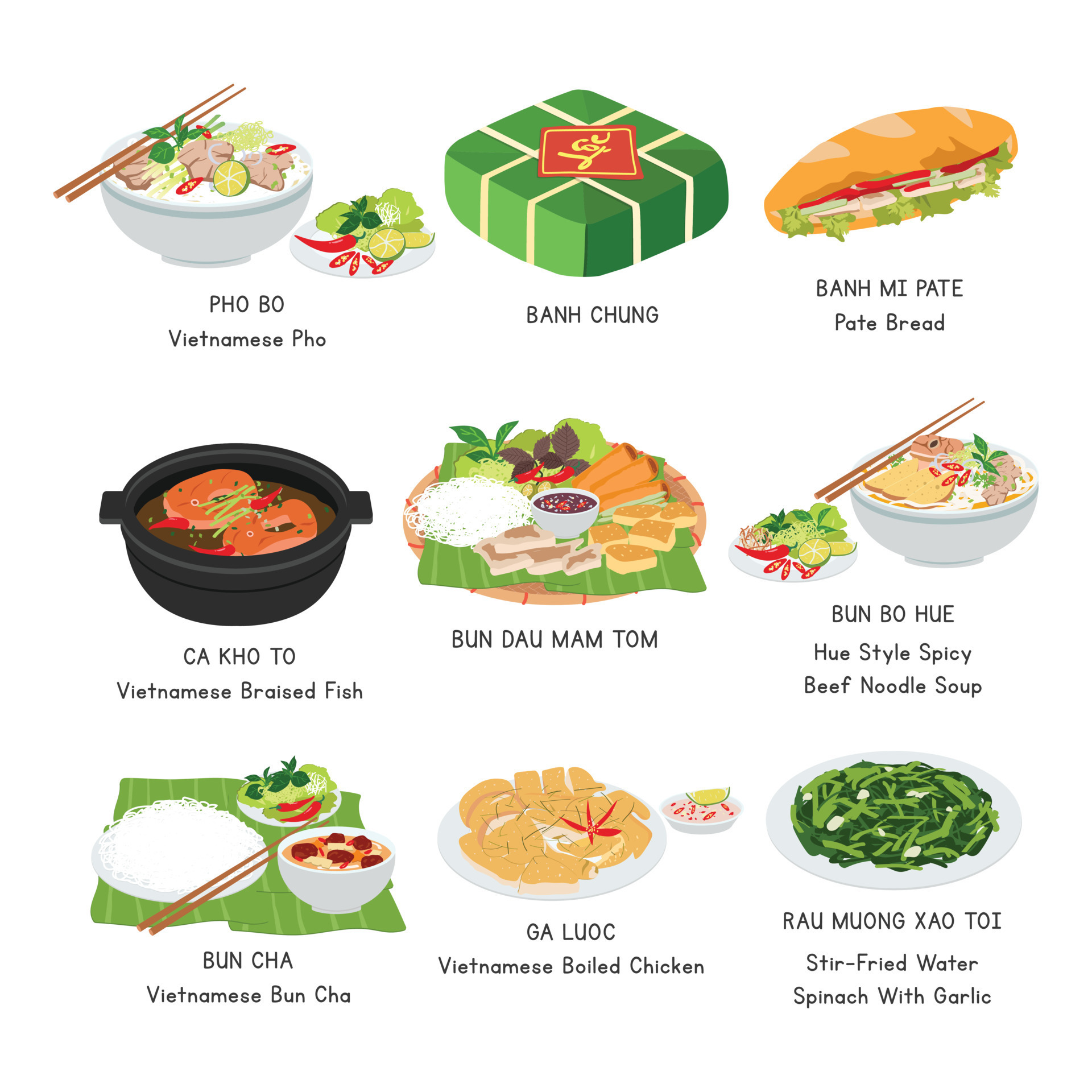
Vietnamese Cuisine Is Famous Around The World For Its Fresh Ingredients, Unique Flavors, And Diverse Cooking Methods. For Those Exploring This Cuisine, Understanding Vietnamese Dishes In English Can Make Your Journey More Enjoyable. This Article Provides A Comprehensive Guide To Popular Vietnamese Dishes With English Names, Introduces Street Food Specialties, Highlights Regional Varieties, And Offers Useful Vocabulary. Whether You Are Visiting Vietnam, Dining At A Local Vietnamese Restaurant, Or Simply Curious About The Culture, Learning About Vietnamese Food In English Will Help You Appreciate Its Rich Traditions And Delicious Flavors Even More.
Vietnamese cuisine is a vibrant tapestry of flavors, colors, and textures, originating from the rich cultural heritage of Vietnam. What sets it apart is the harmonious balance of five fundamental tastes: sweet, salty, sour, spicy, and bitter. This unique combination creates meals that are not only delicious but also refreshing and satisfying.
At the heart of Vietnamese cooking is a commitment to freshness and variety. Ingredients such as herbs, spices, vegetables, and proteins are carefully selected to bring out the best in each dish. Iconic dishes like pho, banh mi, and spring rolls exemplify this culinary art, showcasing the beautiful interplay of flavors that is characteristic of Vietnamese food.
It’s a cuisine that reflects both the refined techniques of high-end dining and the rustic charm of street food, making it accessible to everyone. Whether you’re savoring a bowl of pho or enjoying a clay pot of com nieu, each bite tells a story of tradition and innovation. I have a deep passion for Vietnamese cuisine and I’m excited to share its wonders with you, letting you discover why it’s cherished around the globe.
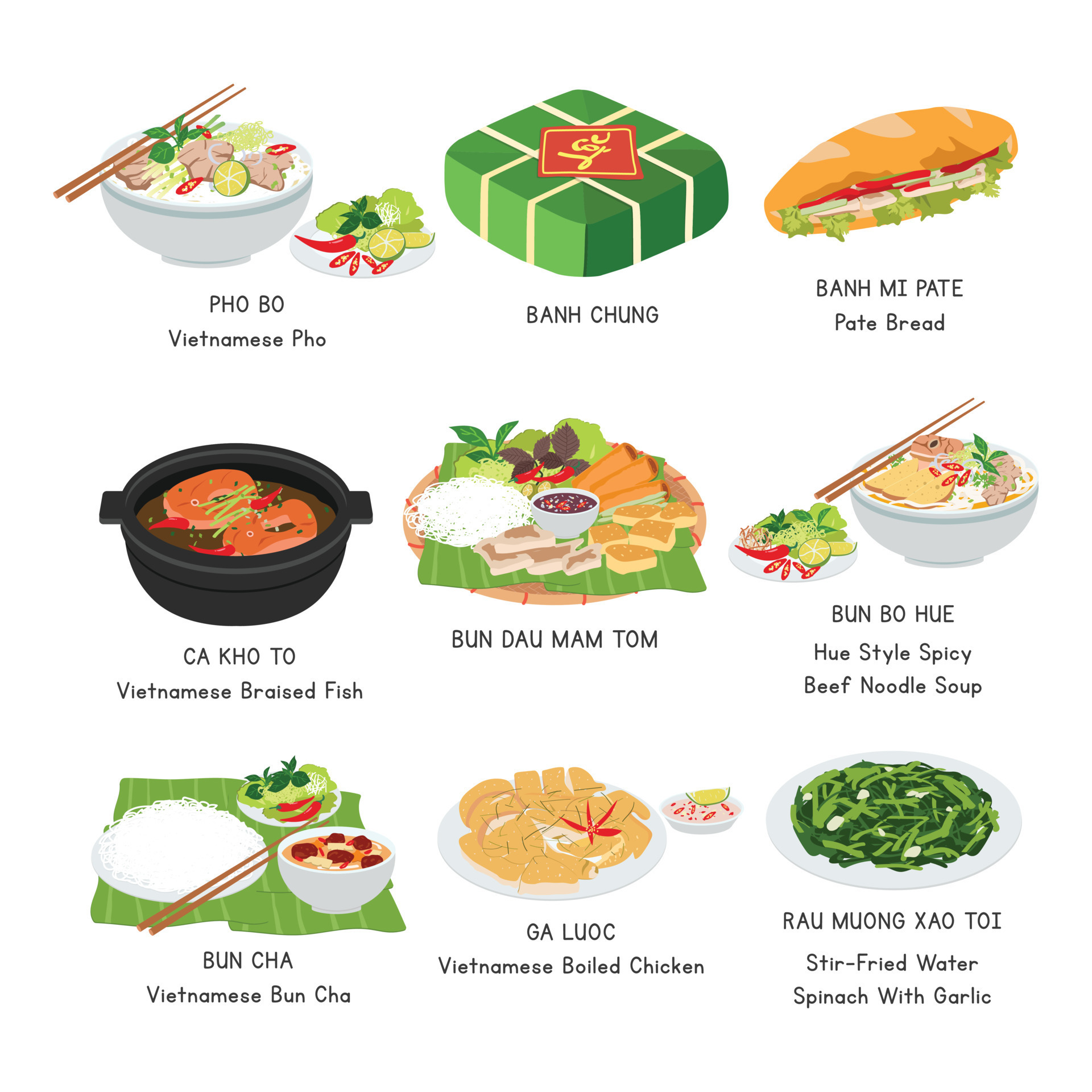
Vietnamese cuisine is a delightful journey through a variety of flavors and textures, making it a must-try for any food lover. One of the most renowned dishes is Phở, a fragrant noodle soup that features tender beef or chicken in a savory broth, often garnished with fresh herbs and bean sprouts. This iconic dish is celebrated worldwide and reflects the heart of Vietnamese culinary culture.
Another favorite is Bánh mì, a delicious sandwich that combines crispy baguette with savory meats, pickled vegetables, and fresh herbs. It’s a perfect blend of French influence and Vietnamese tradition that captures the spirit of street food in Vietnam.
Don’t miss Gỏi cuốn, or spring rolls, which are light and fresh, filled with shrimp, herbs, and vegetables wrapped in rice paper. They are typically served with a flavorful dipping sauce, making them a popular choice.
For those with a sweet tooth, Chè is a traditional dessert that comes in numerous varieties, featuring ingredients like mung beans, coconut milk, and fruits. Each bite offers a refreshing taste that rounds off a delicious Vietnamese meal beautifully.
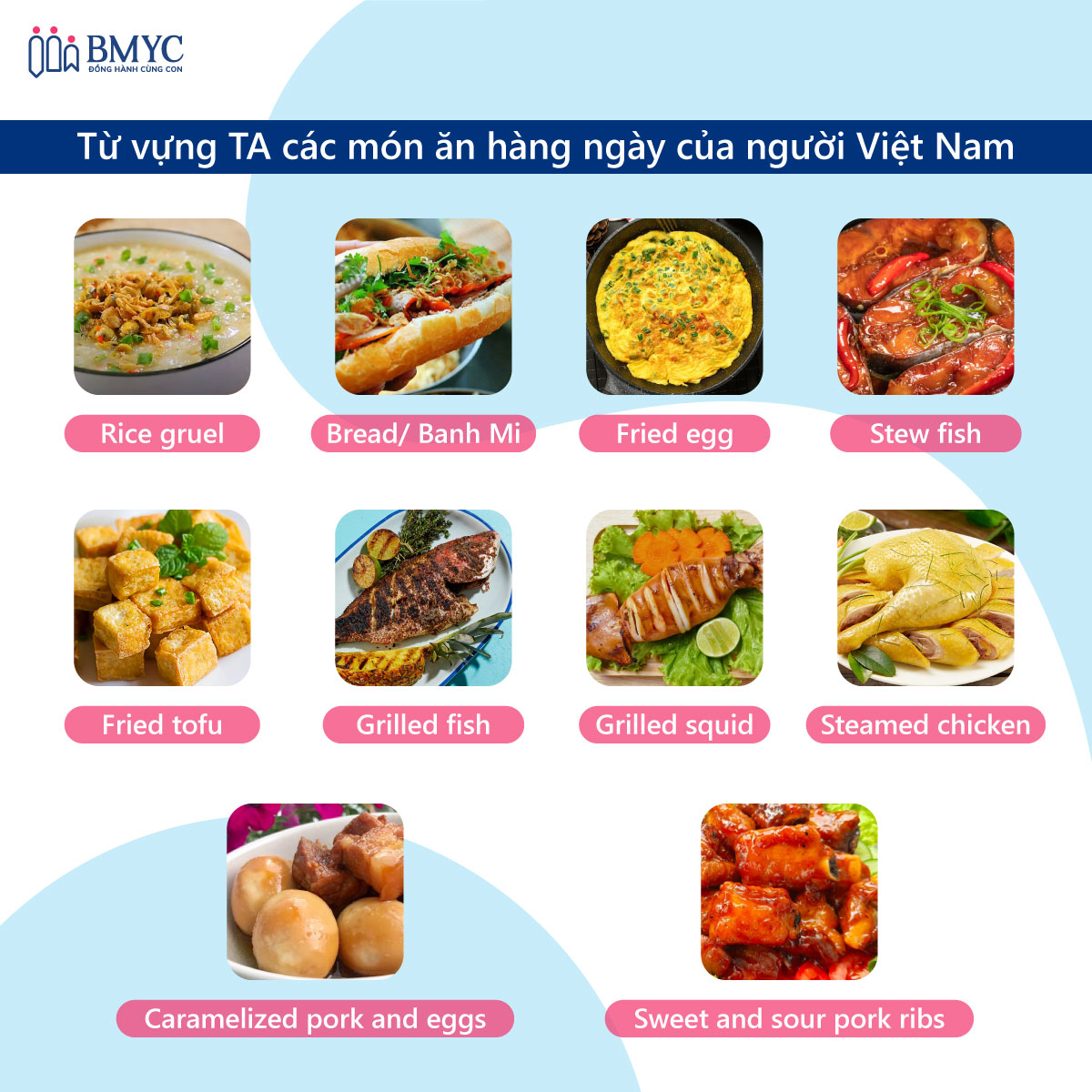
Việt Nam nổi tiếng với nền ẩm thực phong phú và đa dạng, khiến bất kỳ ai cũng phải mê mẩn. Một trong những món ăn không thể bỏ qua là phở, món nước nổi tiếng xuyên quốc gia. Đến với Việt Nam, bạn cũng nên thử bánh mì – một sự kết hợp tuyệt vời giữa bánh mì giòn và nhân thịt, rau sống.
Ngoài ra, gỏi cuốn cũng là lựa chọn tuyệt vời, với lớp bánh tráng mềm mại bọc lấy rau củ và tôm thịt tươi ngon. Bún chả là món ăn không thể thiếu khi ghé thăm Hà Nội, với những miếng thịt nướng thơm lừng và nước chấm chua ngọt đặc trưng.
Một món đặc sản miền Trung là mì Quảng, mang hương vị đậm đà cùng những lát thịt, tôm hòa quyện. Còn bánh xèo, với lớp vỏ giòn rụm, thường được ăn kèm rau sống và nước chấm, sẽ khiến bạn khó cưỡng lại.
Những món như canh chua hay bò lá lốt cũng góp phần làm phong phú thêm bảng danh sách ẩm thực Việt. Mỗi món ăn không chỉ là thực phẩm mà còn là cách để thưởng thức văn hóa và truyền thống của đất nước này.
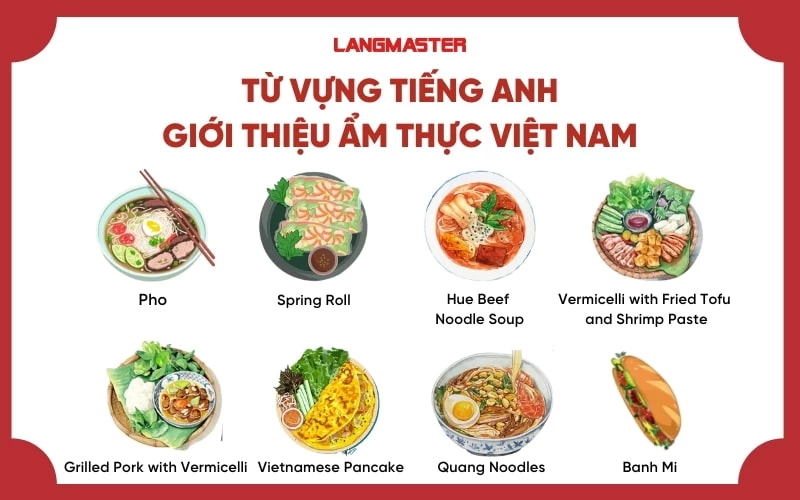
When you think of Vietnam, the vibrant street food scene is hard to overlook. One must-try dish is pho, a fragrant soup brimming with herbs, tender beef, and rice noodles that warms the soul. Then there’s banh mi, a heavenly sandwich filled with marinated meats and fresh veggies, perfect for a quick bite on the go.
As you wander through bustling streets, don’t miss bun cha, a delightful mix of grilled pork, rice vermicelli, and fresh herbs. For a crispy treat, try banh xeo, the flavorful Vietnamese pancake filled with shrimp and bean sprouts, served with a side of greens for wrapping.
For dessert, explore the sweetness of che, a colorful sweet soup with various ingredients like beans, fruits, and coconut milk. Another favorite is tao pho, a silky tofu dessert that’s both light and satisfying. Each street corner in Hanoi offers a new adventure for your taste buds, making it impossible not to fall in love with the culinary delights of Vietnamese street food. So grab a stool and enjoy the flavors like a true Hanoian!
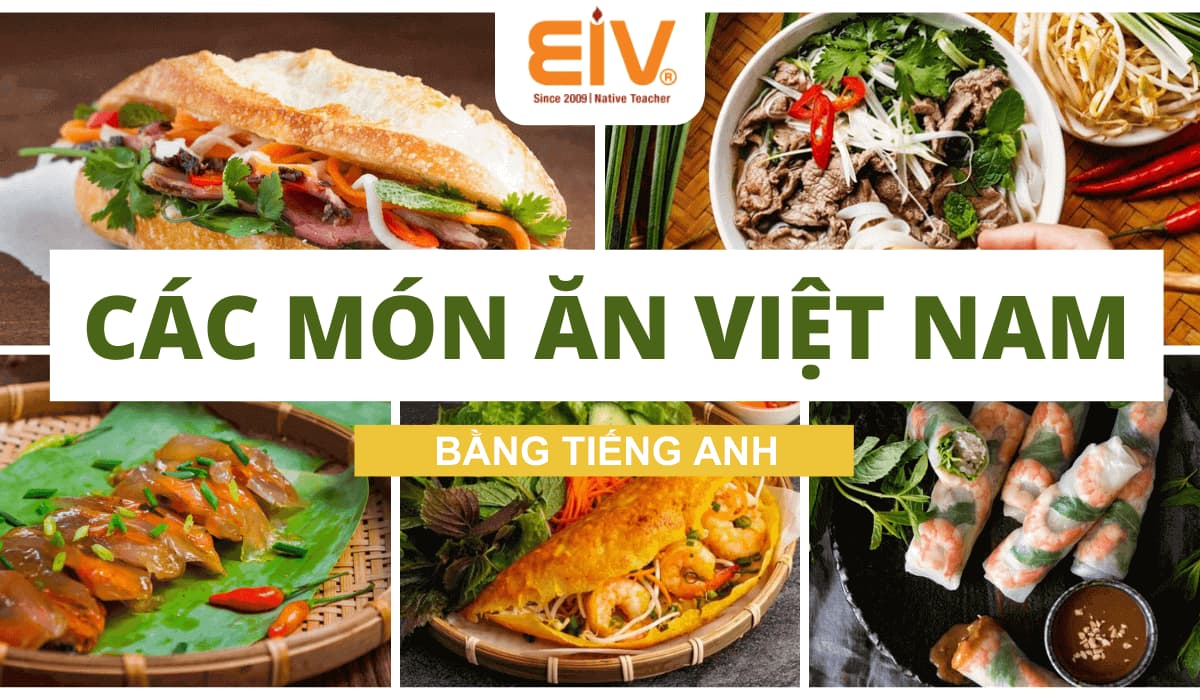
Vietnamese cuisine is renowned for its fresh ingredients and vibrant flavors, with several dishes standing out for their popularity both locally and internationally. Pho, a fragrant beef noodle soup, is perhaps the most iconic. It’s comfort food for many and a must-try for visitors.
Banh Mi, the delightful Vietnamese sandwich, is another favorite. Packed with meat, vegetables, and a hint of spice, it’s a perfect blend of textures and flavors. Then there’s Goi Cuon, or fresh spring rolls, which offer a refreshing taste of shrimp, herbs, and vermicelli, all wrapped in rice paper.
If you’re looking for something heartier, Bun Cha is a delicious option featuring grilled pork and noodles served with a tangy dipping sauce. For those who enjoy a crispy treat, Banh Xeo, the Vietnamese pancake with pork and bean sprouts, is irresistible.
Each dish carries a story and represents the rich culture of Vietnam, making the culinary journey a delightful adventure for anyone eager to explore. Don’t miss out on these iconic foods during your visit to this beautiful country!
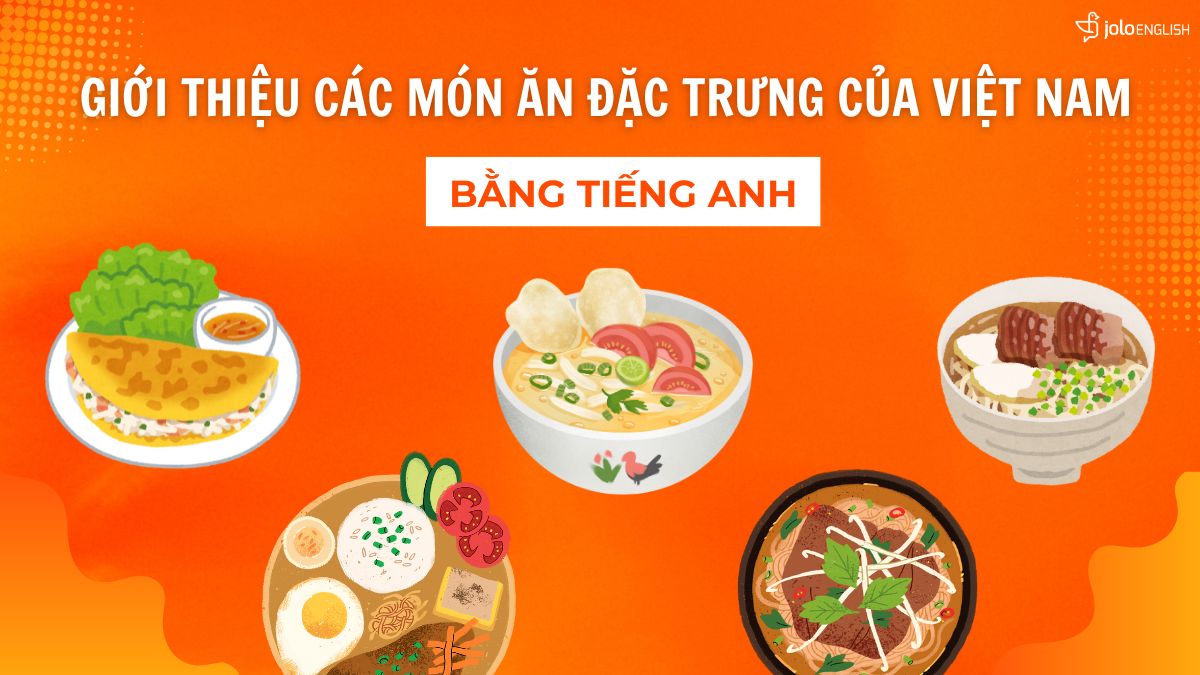
Vietnamese cuisine is a delightful tapestry of flavors and textures that reflects the country’s rich cultural heritage. While many people immediately think of phở, bánh mì, and gỏi cuốn, there are numerous other traditional dishes worth exploring. For instance, bún chả, a favorite in Hanoi, features grilled pork served with a tangy dipping sauce and fresh herbs, creating a perfect balance of taste.
Another gem is bánh xèo, a savory pancake filled with shrimp, pork, and bean sprouts, which is crispy on the outside and bursting with flavor inside. Mi Quang, a regional noodle dish from Quang Nam province, offers a unique taste with its turmeric-infused noodles topped with various proteins and fresh herbs.
Don’t miss out on canh chua, a sour soup that typically includes fish, tamarind, and fresh vegetables, making it a refreshing option for any meal. If you’re seeking something more straightforward yet satisfying, fried tofu in tomato sauce can be a comforting choice that showcases the simplicity of Vietnamese cooking. Exploring these dishes will surely enhance your understanding and appreciation of Vietnam’s culinary landscape.
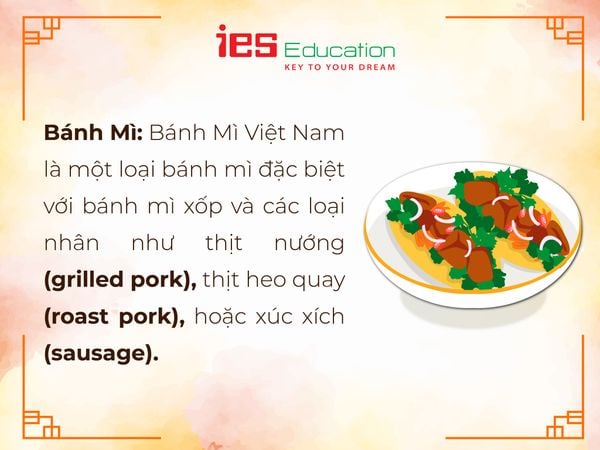
Vietnamese cuisine is a vibrant tapestry of flavors and textures, shaped by its rich history and geography. Each region offers distinct culinary experiences: Northern dishes are known for their subtlety and balance, while the South leans towards sweetness, and the Central region is celebrated for its bold and spicy flavors.
In Saigon, for example, you can explore a variety of dishes that highlight the local taste profile. Notable options include broken rice (com tam), banh mi, and Nam Vang noodle soup. The versatility of snails in various forms is also a testament to the region’s culinary creativity. Each meal typically incorporates the five basic flavors—sweet, salty, bitter, sour, and spicy—resulting in a harmonious dining experience.
A standout dish from the North is pho, a fragrant noodle soup available with beef or chicken. Meanwhile, Central Vietnam boasts signature dishes like Bún Bò Huế, known for its spiciness, and Cao Lầu, a must-try when in Hoi An. Whether you savor a simple bowl of cháo or indulge in a gourmet feast, Vietnamese cuisine is sure to delight the senses and nourish the soul.
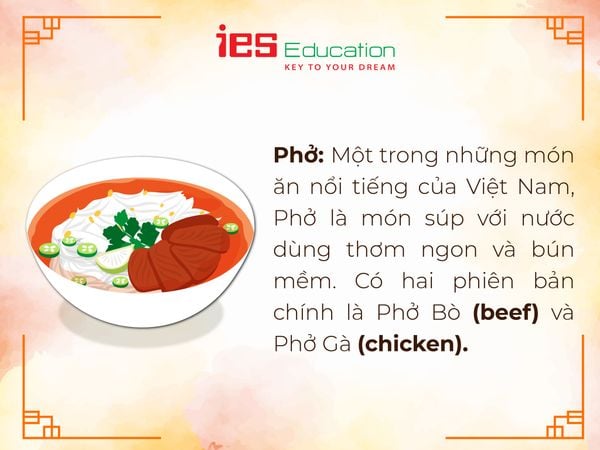
Vietnamese cuisine is renowned for its flavorful noodle dishes that reflect the country’s culinary diversity. Among the most iconic is Pho, a fragrant noodle soup made with either beef or chicken, where flat rice noodles float in a savory broth. Loved by both locals and visitors, Pho is more than just a meal; it’s a cultural experience.
Another beloved dish is Bún chả, featuring grilled pork meatballs served over rice vermicelli noodles, often accompanied by fresh herbs and dipping sauce. Bún đậu mắm tôm, which combines rice vermicelli with fried tofu and shrimp paste, offers a unique flavor profile that showcases the balance of textures and tastes in Vietnamese cuisine.
Don’t overlook Bún mắm, a fermented fish noodle soup, or Mì Quảng, the regional specialty from Quang Nam province. These dishes highlight the variety of ingredients and cooking methods that make Vietnamese noodles so special. Whether it’s a comforting bowl of Pho or a refreshing Bún salad, the noodle dishes of Vietnam provide a delicious window into the country’s rich culinary heritage. Each bowl tells a story of local traditions and flavors, inviting everyone to savor every delicious bite.
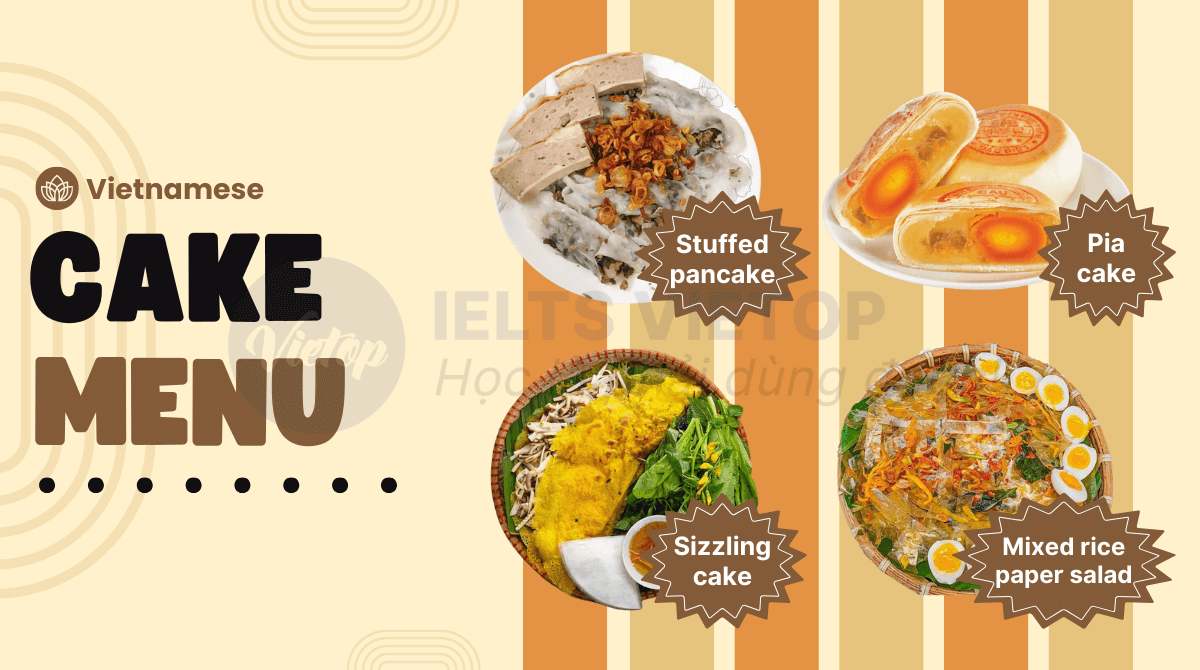
Vietnamese desserts are a delightful mix of textures and flavors, making them perfect for any occasion. One of my personal favorites is “bánh đậu xanh,” or mung bean cake, which is a traditional sweet that offers a smooth, comforting taste. Although I don’t often indulge in street desserts, this classic treat holds a special place in my heart.
Among the popular desserts, “chè” stands out as a comforting sweet soup made from various ingredients like tapioca, coconut cream, and sweetened condensed milk. It’s a versatile dish with countless variations, ensuring there’s something for everyone. Other favorites include “bánh trôi,” glutinous rice dumplings floating in a ginger syrup, and “bánh cam,” crispy sesame balls that add a crunchy texture to the mix.
For those looking for something refreshing, coconut jelly (rau câu) offers a light, cool treat that’s perfect for warm days. Whether you’re enjoying layered cakes or innovative ice cream combinations, Vietnamese desserts invite you on an adventure that’s rich in culture and flavor, delighting both the eyes and the palate.
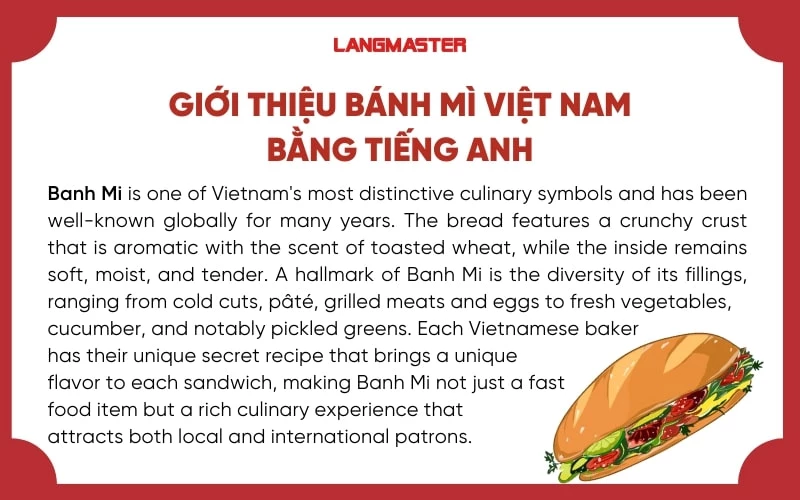
Nếu bạn đang muốn khám phá ẩm thực Việt Nam nhưng lại băn khoăn về cách phát âm, thì đây là một vài mẹo hữu ích. Đầu tiên là món Hủ tiếu, phát âm là “hoo th-ee-oo”. Đây là một kiểu phở với mì gạo mỏng, rất phổ biến. Tiếp theo là Mì, phát âm là “mee”, thường là mì trứng được nhiều người yêu thích.
Một món ăn không thể bỏ qua là Bún, phát âm là “boon”, loại mì vermicelli nhẹ nhàng và thường được dùng trong các món salad. Đặc biệt, Com tam, phát âm là “kom tam”, là món cơm đứt nổi tiếng ở miền Nam Việt Nam, thường được kèm với sườn nướng và trứng.
Việc học cách phát âm các món ăn này sẽ giúp bạn tự tin hơn khi gọi món tại nhà hàng. Hãy nhớ rằng, tiếng Việt có nhiều âm sắc khác nhau, nhưng chỉ cần luyện tập thường xuyên, bạn sẽ nhanh chóng quen miệng. Chúc bạn có những trải nghiệm ẩm thực thú vị!
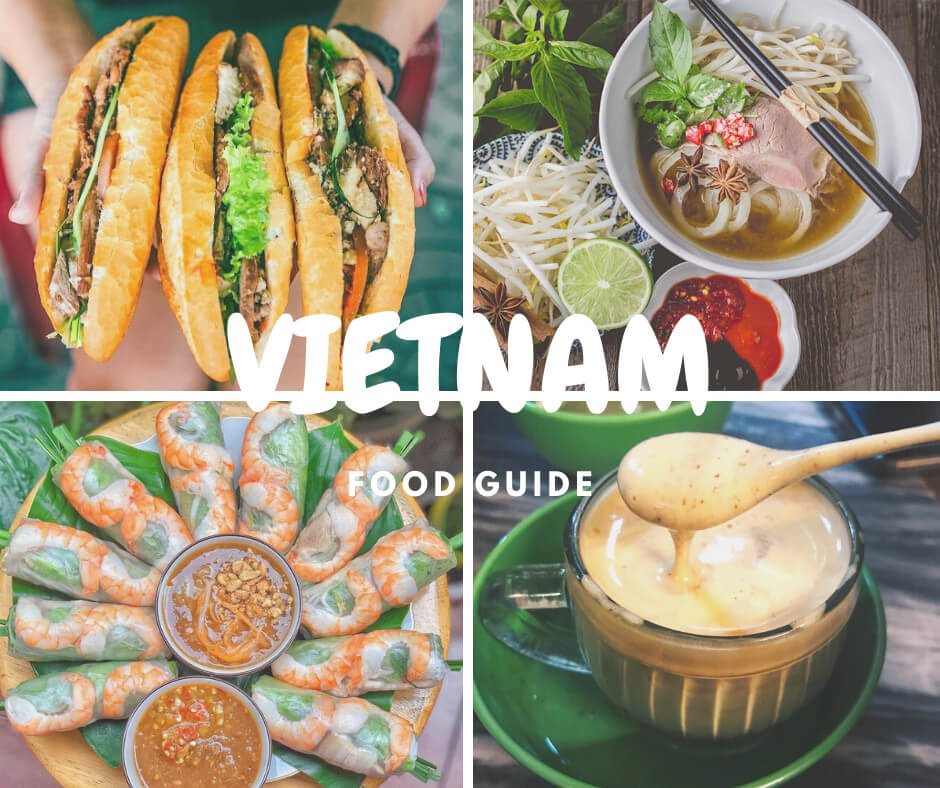
In conclusion, Vietnamese cuisine is a vibrant tapestry of flavors, textures, and colors that reflect the nation’s rich culture and history. From the fragrant pho to the delightful banh mi, each dish tells a story and showcases the use of fresh, local ingredients. The balance of sweet, sour, salty, and spicy in Vietnamese food not only tantalizes the taste buds but also embodies the harmony that is central to Vietnamese life. Exploring these culinary delights offers not just a feast for the senses, but also an opportunity to understand and appreciate the deep-rooted traditions of Vietnam.