Physical Address
304 North Cardinal St.
Dorchester Center, MA 02124
Physical Address
304 North Cardinal St.
Dorchester Center, MA 02124

Lễ hội là mảnh ghép thú vị của văn hóa, vừa giúp ta kết nối với truyền thống, vừa là dịp mở rộng vốn từ tiếng Anh theo cách sống động nhất. Bài viết này sẽ dẫn bạn qua những từ và cụm từ tiếng Anh thường gặp về lễ hội, giới thiệu 10 lễ hội tiêu biểu, những lễ hội nổi tiếng trên thế giới, các lễ hội và ngày lễ ở Việt Nam bằng tiếng Anh, rồi cuối cùng là một đoạn văn mẫu ngắn nhất về lễ hội bằng tiếng Anh để bạn dễ áp dụng. Nếu bạn muốn học từ vựng hữu dụng và cách diễn đạt tự nhiên khi nói về lễ hội, đọc tiếp nhé!
Trên thế giới có rất nhiều lễ hội và mỗi lễ đều có tên tiếng Anh riêng, ví dụ New Year’s Day (Ngày Đầu Năm Mới), April Fools’ Day (Ngày Nói dối), Easter (Lễ Phục Sinh) hay Good Friday (Ngày Thứ Sáu Tuần Thánh). Một vài lễ tôn giáo khác cũng quen thuộc như Hanukkah, khi người ta thắp nến trên menorah, và Ramadan, khi người Hồi giáo ăn chay từ lúc sáng tinh mơ tới mặt trời lặn.
Ở Việt Nam, nhiều lễ hội truyền thống cũng có tên tiếng Anh tiện cho việc giới thiệu văn hóa, ví dụ Tet holiday hoặc Vietnamese Lunar New Year (Tết Nguyên Đán), Mid-Autumn Festival (Tết Trung Thu), Hung Kings’ Temple Festival (Lễ hội Đền Hùng) hay Perfume Pagoda Festival (Lễ hội Chùa Hương). Các ngày nghề nghiệp như Teacher’s Day (/ˈtiːtʃərz deɪ/), Vietnam’s Doctor’s Day hay International Workers’ Day cũng thường được nhắc đến bằng tiếng Anh.
Học tên lễ hội bằng tiếng Anh không chỉ giúp bạn giao tiếp mà còn dễ dàng kể về phong tục: thắp nến, rước đèn, tổ chức diễu hành hay ăn chay. Hãy thử ghi nhớ vài từ vựng và luyện phát âm, sau đó kể cho bạn bè nghe về những lễ hội yêu thích của bạn bằng tiếng Anh — đó là cách học vừa vui vừa thực tế.
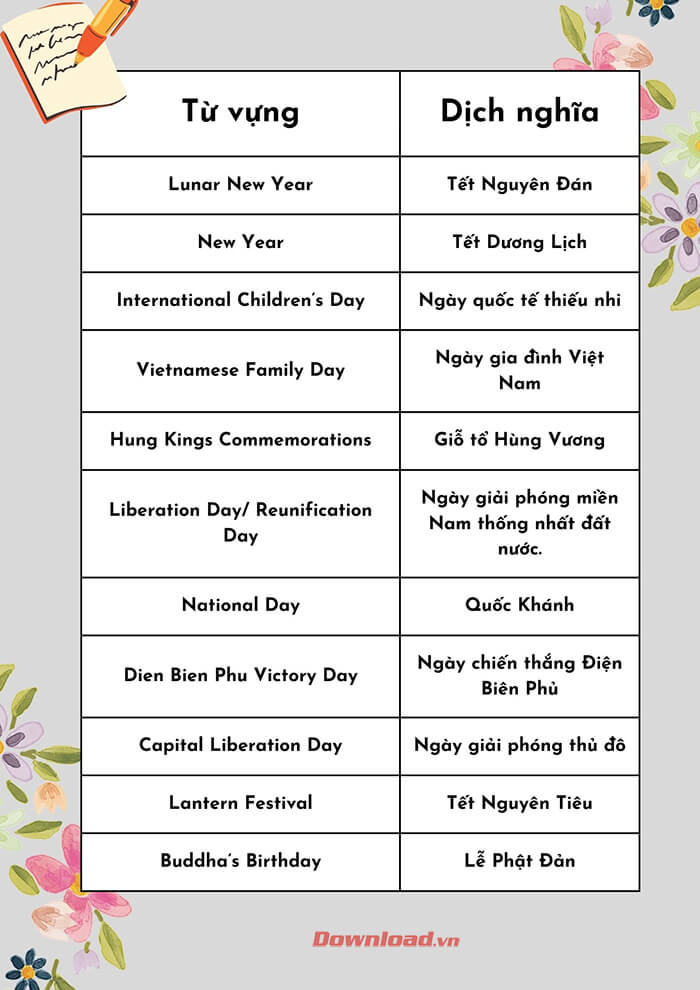
I love thinking about festivals, especially New Year’s Day and Lunar New Year (Tet), when families gather and fireworks light the sky. In Vietnam, the Hung Kings’ Temple Festival honors ancestors with processions, while the Perfume Pagoda Festival brings pilgrims to caves and lantern-lit rivers — simple moments that feel warm and timeless.
Easter and Good Friday bring quiet reflection for many, with churches full of music and thoughtful rituals. April Fools’ Day flips the mood with playful jokes and laughter. The Cold Food Festival (Tết Hàn Thực) is quieter: people offer simple rice cakes and remember traditions, a gentle pause in the busy year.
Everyday heroes get their spotlight too: Teacher’s Day celebrates educators with gratitude, and Vietnam’s Doctor’s Day honors medical staff who care for communities. These ten festivals show how public celebrations, family moments, faith, and fun mix together to make life richer, connected and full of hope.
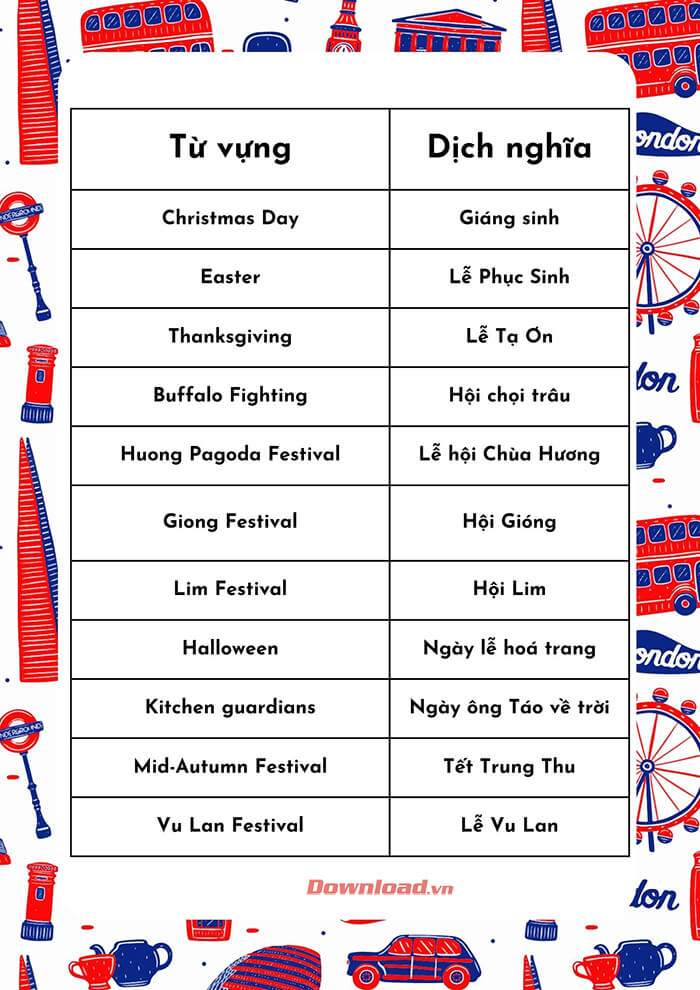
Festivals around the world showcase how people celebrate life, faith and fun. From New Year’s Day and Easter to April Fools’ Day and Good Friday, some holidays are solemn and religious while others are playful. Each tradition brings rituals, family gatherings and a chance to reconnect with culture and friends. People often travel or decorate homes to mark special days.
Colorful carnivals and rituals add sparkle: Holi in India fills streets with powder, Rio Carnival in Brazil bursts with samba parades, and the Mantoro lantern festivals in Japan light up temples and rivers. These events are sensory experiences — music, costumes, food — that make travel unforgettable. Local food and friendly crowds make every festival warm and welcoming.
There are also worldwide observances like International Workers’ Day and International Children’s Day, plus local favorites such as Vietnam’s Tet, Vietnamese Family Day, Lim Festival, the Hung Kings’ Temple Festival, Perfume Pagoda pilgrimage and Teacher’s Day. They bind generations through stories and shared meals, reminding us to celebrate community and enjoy life together.

Vietnam is rich in festivals that follow the lunar calendar and celebrate family, harvest and history. Tet, the Vietnamese Lunar New Year, is the most important: families reunite, prepare sticky rice cakes and offer prayers. Seasonal customs and tasty special dishes make Tet warm and lively, showing Vietnam’s deep cultural heritage and community spirit.
Other well-known events include the Mid-Autumn Festival, when children carry lanterns under the first full moon, and the Hung Kings’ Temple Festival, which honors ancient founders. The Perfume Pagoda pilgrimage draws many festivalgoers to temples and caves, combining oral traditions, folk music and ritual offerings into unforgettable, spiritual experiences.
Modern celebrations mix history and contemporary life: Vietnam’s Doctor’s Day appreciates medical workers, while the Cold Food Festival recalls older customs. National commemorations like August Revolution Day and Dien Bien Phu Victory Day remind people of courage and sacrifice. With colorful costumes, traditional dances and delicious street food, every festival becomes a joyful chance to connect.
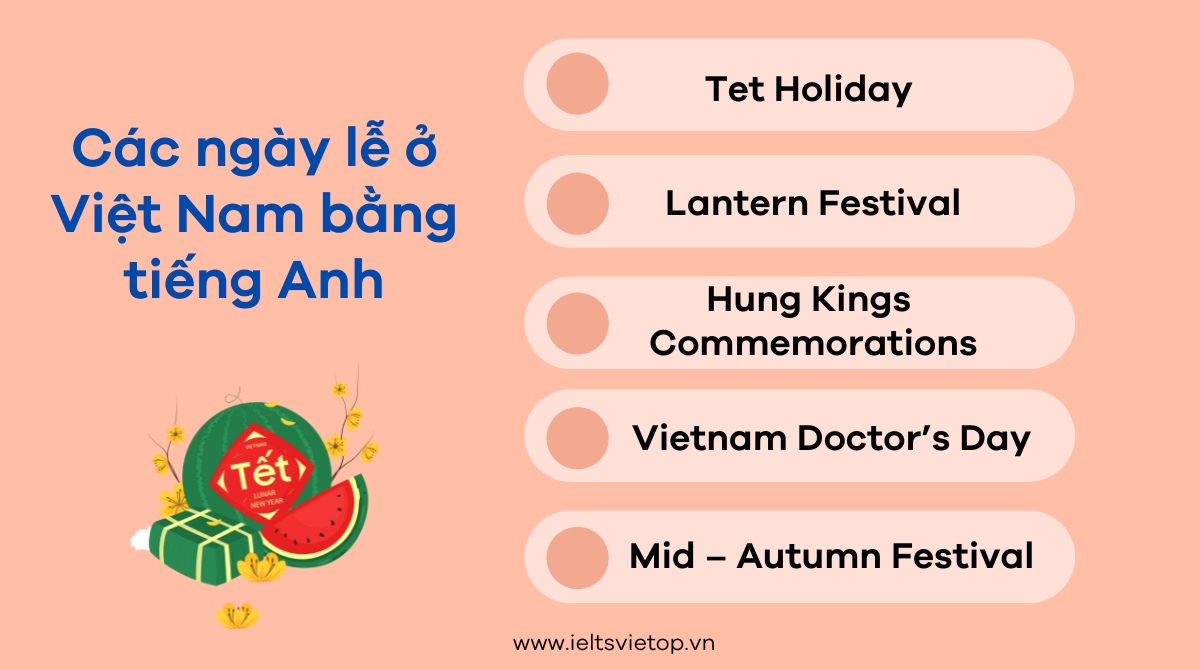
Tại Việt Nam có nhiều ngày lễ gọi bằng tiếng Anh rất dễ nhớ. Những ngày theo lịch dương như New Year’s Day (Ngày Tết Dương lịch – 1/1), Lunar New Year hay Tet (Tết Nguyên Đán), Reunification Day (30/4), và International Workers’ Day (Ngày Quốc tế Lao động – 1/5) luôn được nhắc đến.
Những ngày lễ khác cũng thường được dịch như Vietnamese Women’s Day (Ngày Phụ Nữ Việt Nam – 20/10), Law Day (Ngày Pháp luật – 9/11), Vietnamese Students’ Day (9/1) và Teacher’s Day (Ngày Nhà giáo – 20/11). Ngoài ra còn có Valentine’s Day, Mid-Autumn Festival và Vietnamese Family Day.
Biết tên các ngày lễ bằng tiếng Anh không chỉ giúp học tiếng mà còn dễ giao tiếp khi đi du lịch hoặc làm việc quốc tế. Bạn có thể ghi chú ngày quan trọng như Tet, Reunification Day hay Vietnamese Women’s Day để nhớ và luyện cách nói tự nhiên khi giới thiệu văn hoá Việt.
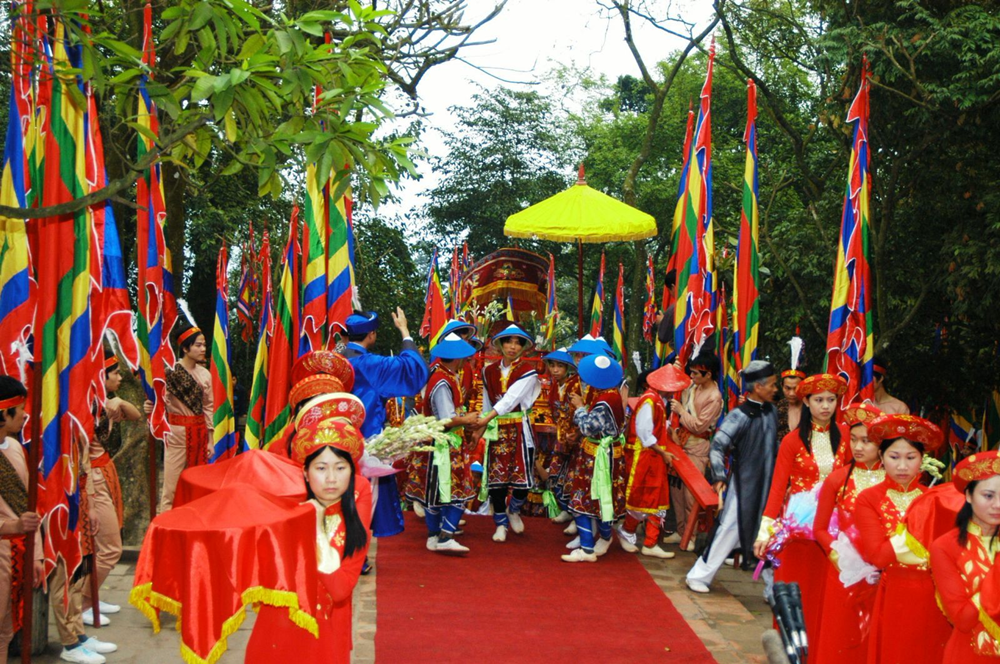
Festivals are special occasions when families celebrate traditions, pray, and enjoy each other’s company. Tet is a traditional Vietnamese festival that marks the Lunar New Year; it celebrates family reunion, lucky wishes, and old customs. During Tet, people often decorate their homes, give presents, and prepare delicious food.
In every house there might be big trees or flowering plants, and streets fill with stalls selling cakes, candies, and special drinks. In big cities like Ho Chi Minh City the weeks before the holiday are bustling with shoppers; some households even buy a Christmas tree to add more festive spirit.
Other festivals, like the Mid-Autumn (Moon) Festival, have lantern parades, mooncakes, and acrobatics that excite children and adults alike. People visit pagodas and temples to pray, and many communities organize performances and parades that keep cultural values alive through music, dance, and storytelling.
I love how festivals bring people together, sharing food, stories, and the spirit of the season. They remind us to respect traditions and enjoy simple moments with loved ones. No matter where we celebrate, these special occasions always make life warmer and more meaningful.
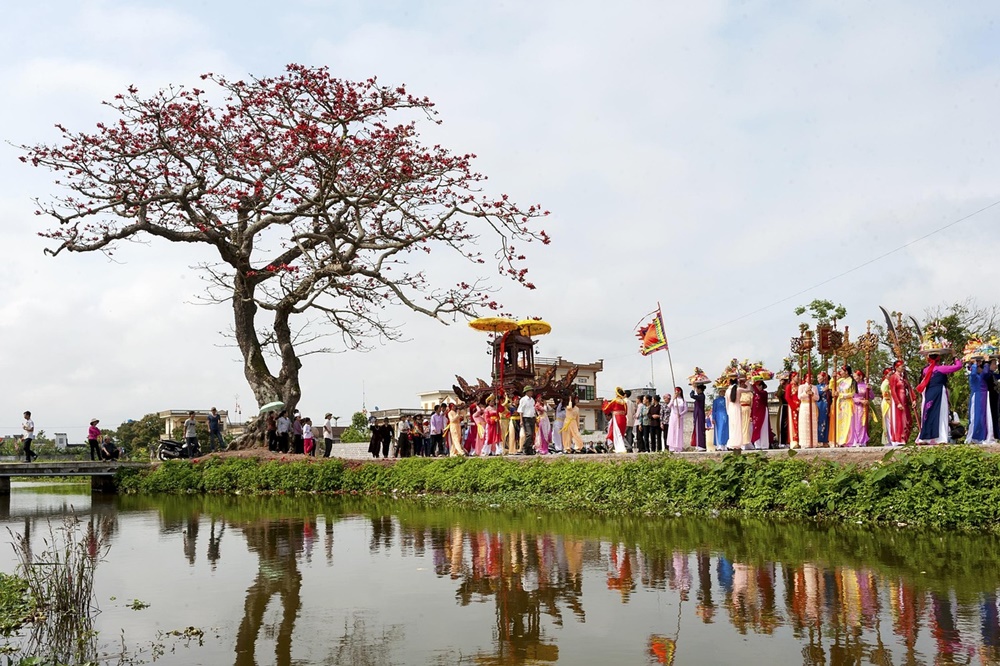
Hy vọng bài viết đã giúp bạn hệ thống hóa cách gọi tên các lễ hội bằng tiếng Anh — từ 10 lễ hội tiêu biểu, những lễ hội nổi tiếng thế giới, tới các lễ hội và ngày lễ ở Việt Nam, cùng mẫu đoạn văn ngắn để tham khảo. Hãy biến những từ vựng này thành thói quen: xem video, viết vài câu miêu tả hoặc kể trải nghiệm bằng tiếng Anh mỗi tuần. Những bước nhỏ sẽ tăng tự tin khi giao tiếp và mở rộng hiểu biết văn hóa. Nếu bạn muốn, mình sẵn sàng sửa bài và gợi ý từ vựng để bạn tiến bộ nhanh hơn. Chúc bạn học vui và khám phá nhiều lễ hội thú vị!


